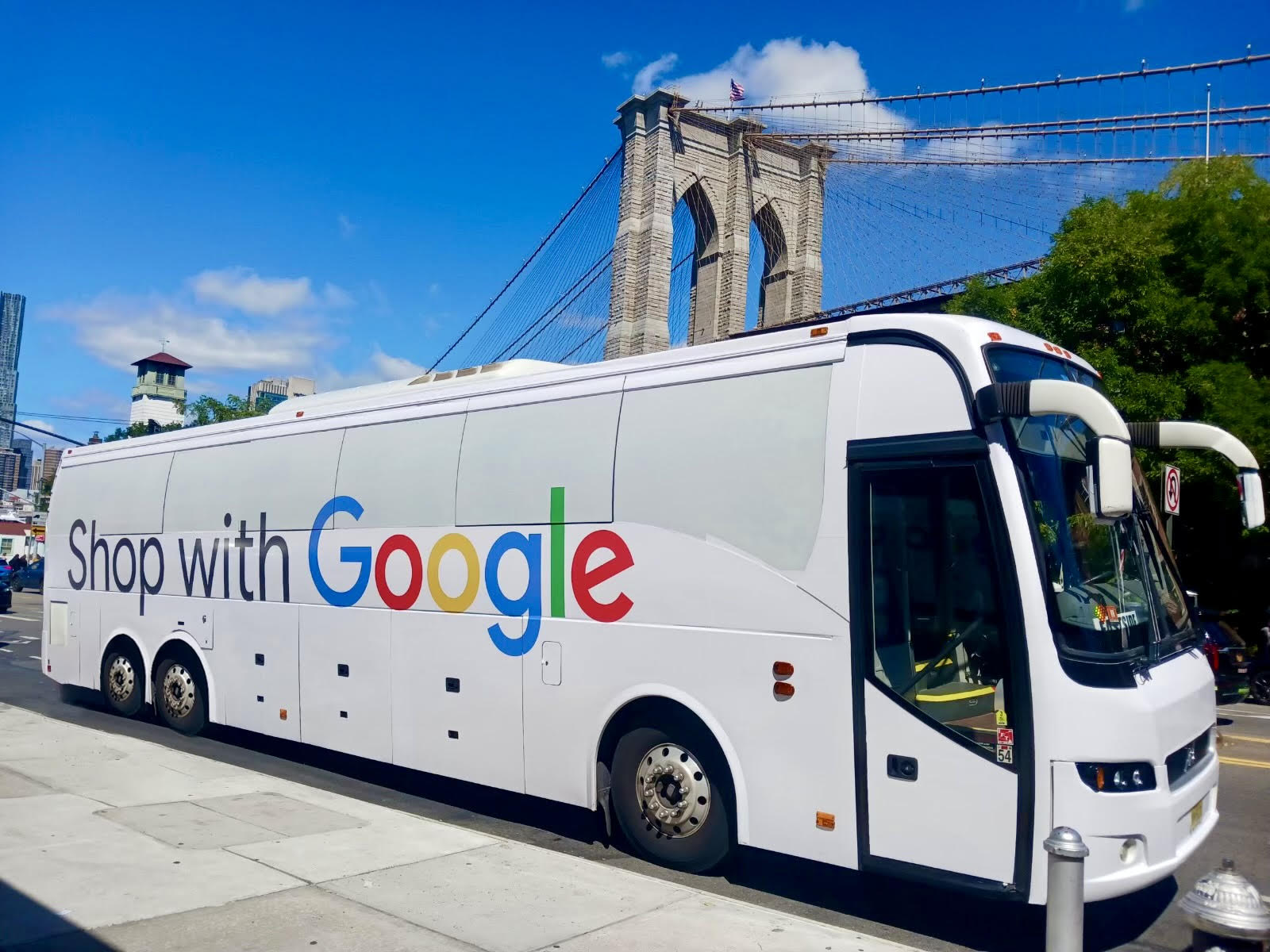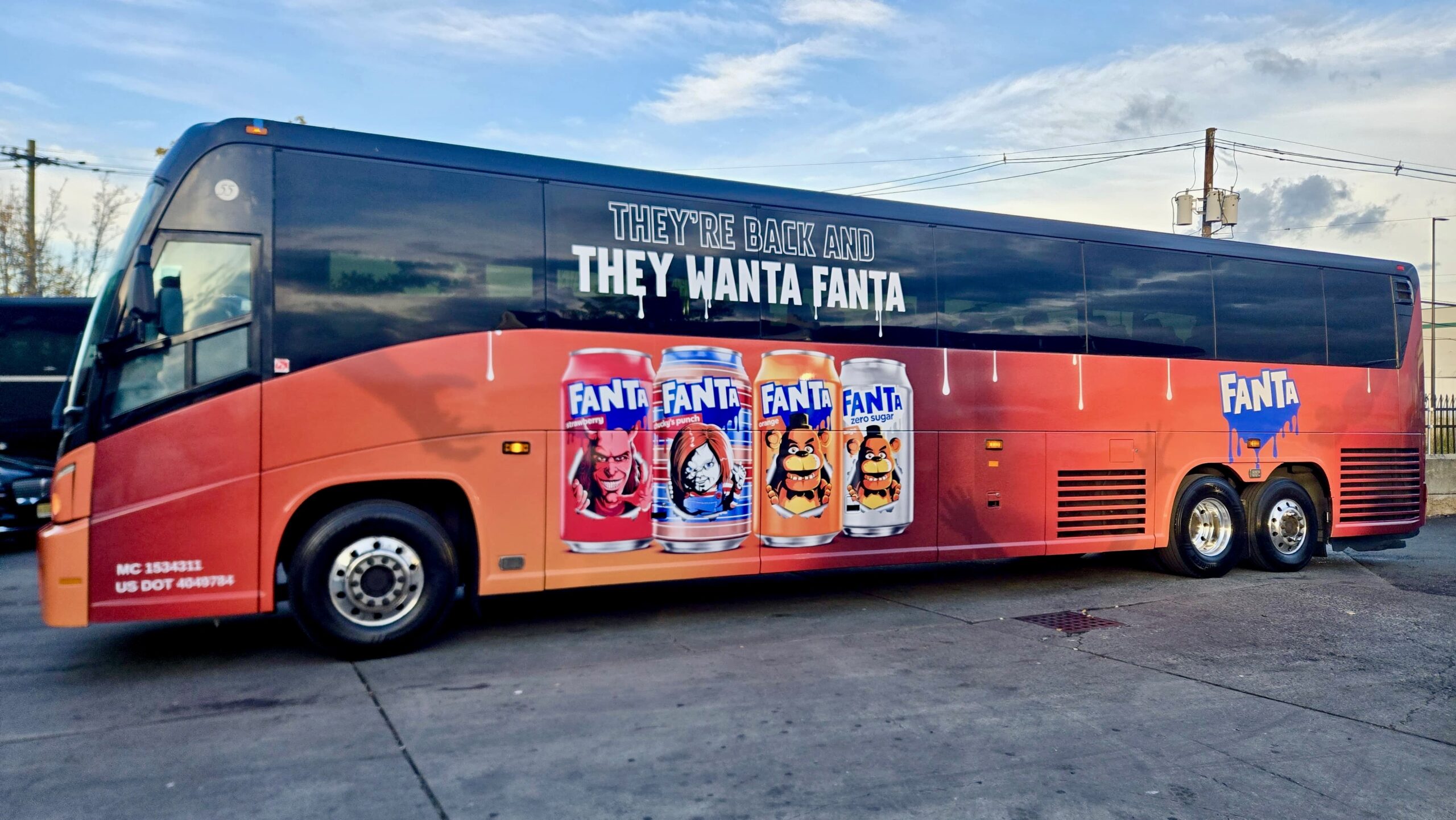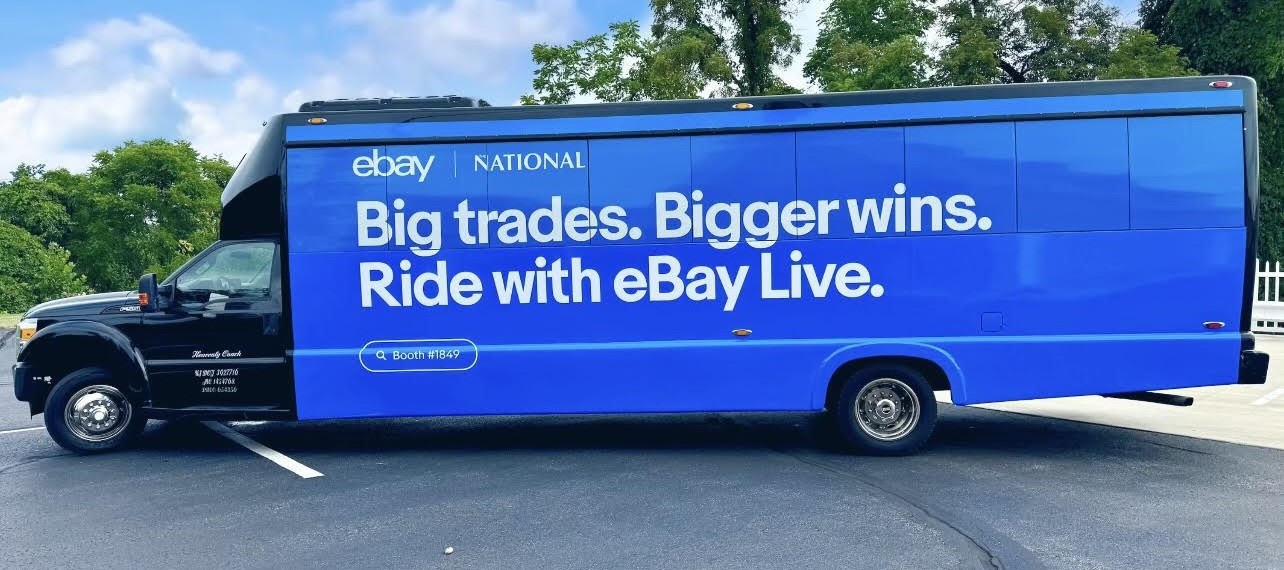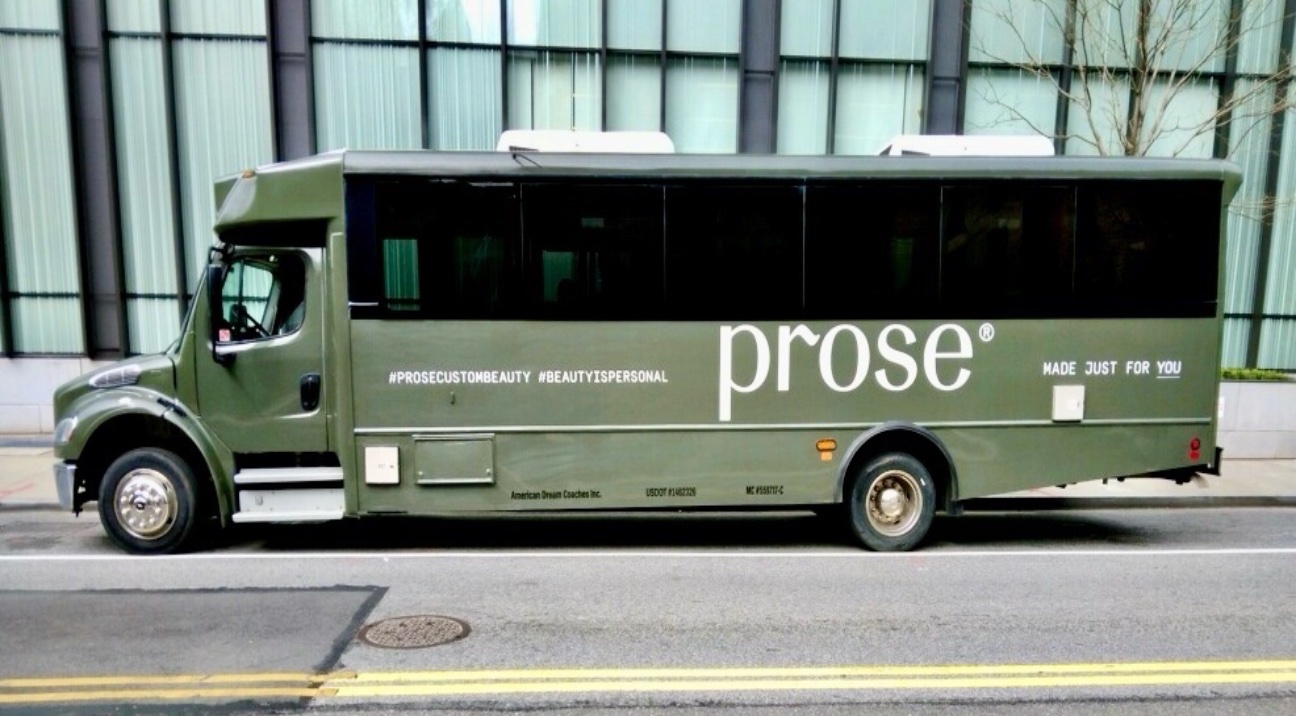

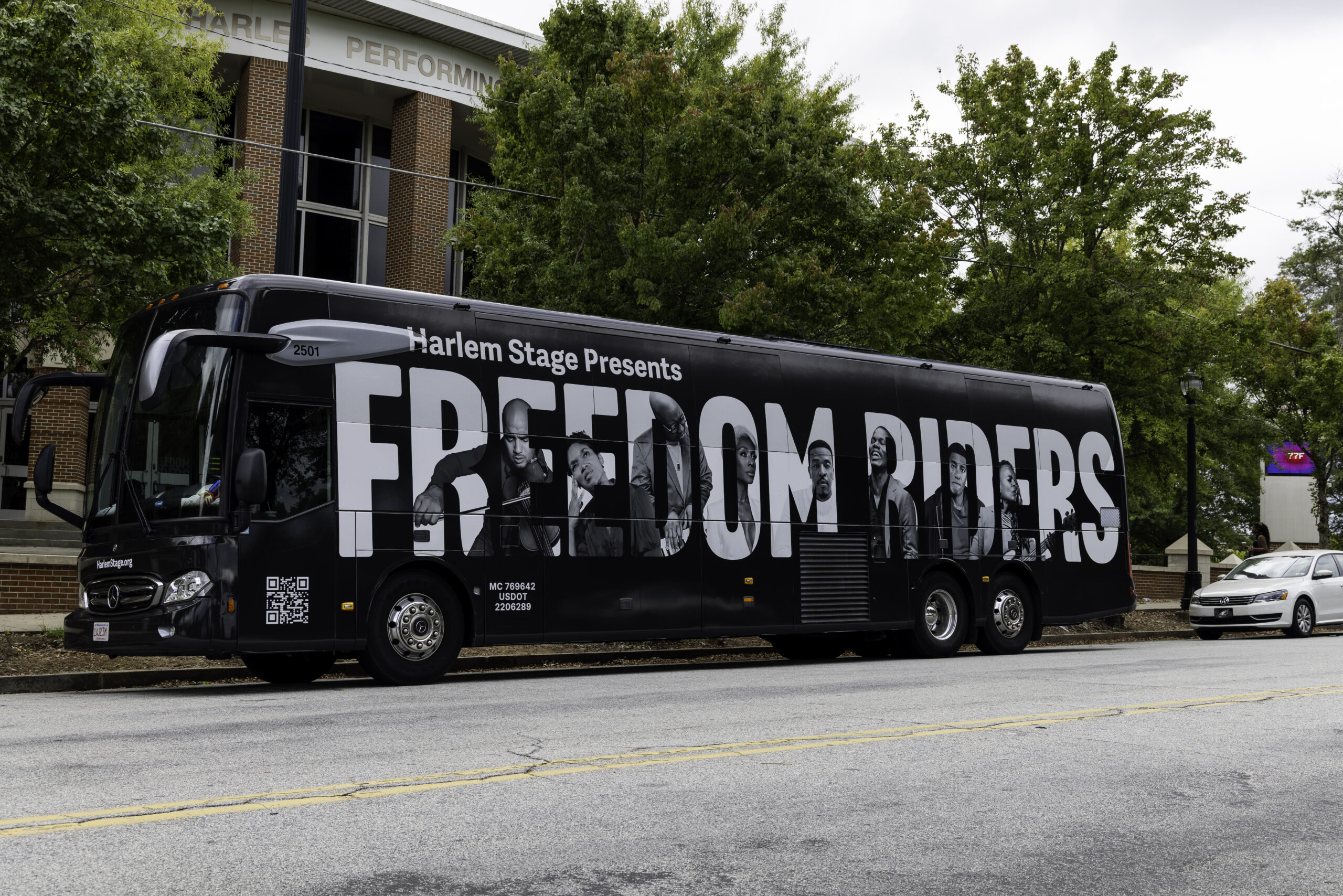
You’re already paying to move your guests, so that vehicle should be working for your brand the entire time it does it.
Every conference, festival, product launch, and corporate retreat has transportation in the budget. Shuttles between hotels and the venue. Airport transfers. VIP runs. Those vehicles spend the whole event driving through the host city, idling at loading zones, and parking in the most visible spot on the property. Unwrapped, that’s a logistics expense. Wrapped, it’s a fleet of moving billboards that generate an estimated 30,000 to 70,000 impressions per day per vehicle, for a production cost that’s usually a rounding error next to the transportation budget you already approved.
This guide covers both halves: how to plan event transportation that actually works, and how to turn that same fleet into the most cost-efficient media buy on your entire event budget. Let’s get into it.
Why Event Transportation Deserves Real Planning:
Transportation is invisible when it works and impossible to ignore when it doesn’t. Late shuttles mean attendees miss sessions, keynotes start half-empty, and guests form an opinion about your event’s quality before anyone reaches a stage.
It sets the tone before the event starts
The moment a guest steps off a plane or out of a hotel lobby, your event has begun. Industry research consistently ranks efficiency and reliability among the top priorities for business travelers, and transportation is the first operational promise you make to them. A clean, clearly branded, on-time shuttle says the whole event is run this well. A confusing pickup zone says the opposite.
It’s one of the most complex line items you’ll manage
Large events require staggered arrivals, delayed flights, multiple hotels, separate VIP logic, and departure waves that don’t all happen at once. Without centralized oversight, inefficiencies compound fast. This is why experienced planners treat transportation as a system to design rather than a vendor to book.
Rideshare doesn’t scale
At small volumes, rideshare works. At event scale, it breaks: surge pricing during exactly the peak arrival and departure windows you need, thin driver availability in suburban or resort locations, no ability to keep a group together, and zero brand control. For large groups, a chartered motorcoach or shuttle fleet is almost always more cost-effective and far easier to manage, with one point of contact instead of hundreds of individual rides.
The Opportunity Most Planners Miss:
Here’s what almost nobody does with that approved transportation budget.
Your shuttle is already in the best locations in the city
Think about where an event shuttle actually spends its day. Driving between the airport and downtown hotels. Circling the convention center. Parked at the front entrance of the venue during peak arrival. Idling at the curb where every attendee, every passerby, and every press photographer walks past.
You could not buy those placements. A billboard can’t park at the venue entrance. A digital screen can’t follow the route between the host hotel and the after-party. Your shuttle already does both, all day, for free.
Wrapping turns a cost center into a media asset
The transportation is happening either way. Adding a wrap means the same vehicle now carries your event branding, your sponsor’s logo, your product, or your campaign message through the host city for the entire event. The vehicles do their logistics job at exactly the same standard, and they generate impressions on top of it.
The sponsorship math changes everything
This is the part that makes CFOs pay attention. A wrapped shuttle fleet is sellable inventory. Event organizers routinely offer transportation sponsorships, and a fully wrapped fleet is a far more attractive package than a logo on a sign, because the sponsor gets:
- Physical presence across the host city, not just inside the venue
- Guaranteed exposure to every attendee who rides
- Photographable branding that ends up on social feeds
- A tangible, measurable deliverable they can show their own leadership
Sold well, the transportation sponsorship can offset a meaningful share of the transportation cost itself. That’s the difference between transportation as an expense and transportation as a revenue line.
How to Plan Event Transportation, Step by Step:
Get the logistics right first. Branding on a shuttle that runs late just advertises your problems.
Step 1: Map the geography before anything else
A workable transport plan starts with geography, not optimism. Put every movement point on one map: airport terminals, hotel entrances, venue loading docks, guest pickup curbs, dinner and offsite locations, and overflow staging areas.
Then identify the bottlenecks. The most common planning error is placing pickup zones where they look easiest on paper, which creates long walks, curb congestion, or conflicts with venue traffic. Walk the routes if you can, and confirm venue access rules early, since many properties allow curb loading for cars but push shuttles to a secondary entrance.
Step 2: Size the fleet to how people move, not just how many there are
A useful rule of thumb: plan for 80 to 90% of expected attendance to use the shuttle, then right-size vehicle count from there. But headcount alone isn’t enough. What matters is flow, meaning how many people need to move at the same time, in which direction, and how often.
Full-size coaches
Best for large groups arriving together on a fixed schedule: opening sessions, keynote transfers, and major group movements between hotels and the venue.
Mini buses and shuttles
Best for continuous loop routes, staggered pickups, and mid-size groups moving throughout the day. They cycle faster and fit tighter venue access points.
Sprinter vans
Best for VIPs, speakers, executives, crew, and press, where flexibility matters more than capacity.
Step 3: Run VIP and attendee transport on different logic
These are two different systems and should never share one plan. Executives and speakers need tight control, few touchpoints, and flexibility when schedules slip. General attendees need clarity, repetition, and predictable movement. Mixing the two produces a plan that serves neither well.
Step 4: Build the schedule with buffer and waves
Staggered departures beat mass departures every time. Build a buffer into every leg, plan for flight delays on arrival day, and design departure waves for the end of the night, since not everyone leaves at once. Evening events in particular need multiple drop-off zones and a safe-ride-home plan.
Step 5: Make it obvious to guests
Clarity and consistency matter more than anything else in group transportation. Clear signage, a published schedule, visible pickup points, and staff at the curb eliminate most of the day-of chaos. A strongly branded vehicle helps here too, because guests can spot their ride from a block away instead of asking three people where the shuttle is.
Step 6: Book early
The most common mistake in event transportation is starting too late. Six months ahead is the recommended lead time for shuttle services, and longer if your event lands on a weekend competing with a major sporting or cultural event. Wrapping adds its own production window on top of that, which brings us to timelines.
How the Wrap Layer Works:
Once the transportation plan exists, the branding layer is straightforward.
Choose your coverage level
Full wraps
Maximum impact, edge to edge. The right choice for flagship event vehicles, sponsor activations, and anything you want photographed.
Partial wraps
Coverage concentrated on the sides and rear, capturing most real-world views at lower production cost. Ideal when you’re wrapping an entire fleet and budget matters.
Logo and decal packages
Clean event identification: event name, sponsor logo, hashtag, and a URL. The efficient option for support vehicles, crew shuttles, and multi-vehicle fleets where consistency matters more than spectacle.
Our guide to full wraps vs. partial wraps vs. decals walks through how to choose, and our cost by vehicle type breakdown explains how vehicle size shapes the investment.
Design for the two audiences your shuttle has
An event shuttle is seen by two completely different groups, and great wrap design serves both.
Guests riding it need recognition and reassurance. Event name, clear identification, and a look that matches your event branding so they know at a glance this is their ride.
The city watching it needs one bold message. Six words or fewer, a dominant logo, high contrast, and something worth remembering. This audience sees the vehicle for three to seven seconds from a sidewalk or an adjacent lane.
The best event wraps put guest-facing clarity near the doors and boldest brand impact on the large side and rear panels.
Add the measurement hooks
Put a QR code near the entry doors where boarding guests have a moment to scan, and a short campaign URL on the rear panel for the traffic behind you. Nielsen research found 46% of U.S. adults searched for something after seeing an out-of-home ad, with out-of-home driving online search at nearly four times its share of ad spend. Your wrap’s job is making that search effortless.
Timeline: Combining Logistics and Wrap Production:
The two workstreams run in parallel, and the wrap is rarely the bottleneck:
| Timeframe | Transportation Track | Branding Track |
|---|---|---|
| 6+ months out | Confirm dates, venue, hotel blocks; begin fleet booking | Define event branding and sponsorship packages |
| 3 to 4 months out | Lock vehicle count, routes, and manifests | Sell transportation sponsorship; brief design |
| 6 to 8 weeks out | Finalize schedules, waves, and staffing | Approve wrap creative and adapt to vehicles |
| 3 to 5 weeks out | Confirm venue access and staging plans | Print and install wraps; photo verification |
| Event week | Dry run, signage, curb staffing | Vehicles arrive branded and camera-ready |
The key insight: wrap production needs roughly 3 to 6 weeks from approved design to installed vehicle. As long as you’re deciding on branding by the two-month mark, it slots neatly inside a normal event timeline with room to spare.
Which Events Benefit Most:
Conferences and conventions
The natural fit. Multi-day, multi-hotel, high shuttle volume, and a host city full of attendees, exhibitors, and press. Wrapped shuttles reinforce the event brand everywhere and make a compelling sponsorship package.
Festivals and concerts
Massive crowds concentrated in one place, heavy shuttle use from parking lots and partner hotels, and an audience that photographs everything. Our Coachella advertising guide shows how festival campaigns work at scale.
Product launches and brand activations
Here the vehicle isn’t supported; it’s the centerpiece: a mobile showroom, sampling station, or press shuttle that becomes part of the experience itself.
Corporate retreats and incentive trips
Smaller fleets, higher touch. Branded vehicles make an internal event feel intentional and premium, and they photograph well for recruiting and internal comms.
Sports events and tournaments
Team travel, staff movement, and fan shuttles all in one operation, with sponsor logos getting exposure across the host city throughout the event window.
Weddings and private events
Guest shuttles with custom graphics turn a practical necessity into part of the celebration, and they solve the safe-ride-home problem elegantly.
Mistakes to Avoid:
- Booking transportation late. Six months is the standard lead time, and peak weekends go faster. Everything else on this list is easier when you start early.
- Sizing by headcount instead of flow. Two hundred people moving at once needs a different fleet than two hundred people moving across four hours.
- Running VIPs on the attendee plan. Different needs, different logic, separate systems.
- Treating the wrap as an afterthought. Deciding on branding two weeks out means rushing design and losing the sponsorship opportunity entirely.
- Cluttering the design. An event wrap crammed with every sponsor logo, the full schedule, and three hashtags communicates nothing. Hierarchy wins.
- Forgetting the parking hours. Your vehicles sit at the venue entrance for hours during peak foot traffic. That’s premium placement, so plan where they park like you’d plan a media buy.
FAQ: Event Transportation and Bus Wraps
How far in advance should I book event transportation?
Aim for six months, or longer if your event falls on a weekend competing with major sporting or cultural events. If you’re adding wraps, allow an extra 3 to 6 weeks for design, production, and installation, which fits comfortably inside that window.
How many shuttles do I need for my event?
A common planning rule is to assume 80 to 90% of expected attendees will use the shuttle, then size the fleet around peak movement windows rather than total headcount. The real question is how many people need to move simultaneously, and in how many directions.
Can you provide both the vehicles and the wraps?
Yes, that’s exactly what we do. We supply the fleet, from sprinter vans to full size entertainer coaches, wrap them in your event or sponsor branding, and handle routing and logistics end to end. One partner, one point of contact, instead of coordinating a charter company and a wrap shop separately.
Is wrapping event shuttles worth the cost?
The vehicles are in your budget regardless. Adding a wrap converts an operational expense into a media asset generating an estimated 30,000 to 70,000 impressions per vehicle per day, in locations you could never buy. And if you sell the fleet as a transportation sponsorship, the branding can offset a real share of the transportation cost itself.
Can the wraps be removed after the event?
Yes. Professional installation means clean removal, and vinyl actually protects the paint underneath while it’s on. For recurring events, many organizers keep wraps in place across multiple dates to maximize the value of a single production run.
What if we have multiple sponsors?
Build a hierarchy instead of a collage. One title sponsor on the flagship vehicles, secondary sponsors distributed across the rest of the fleet, and consistent event branding on every unit. That’s cleaner visually and more valuable to sell, because each sponsor gets real ownership of something.
Conclusion:
Event transportation is a budget line you’re already approving. Plan it properly, mapping geography first, sizing the fleet to movement rather than headcount, separating VIP and attendee logic, and booking six months out. Then take the extra step almost nobody takes: wrap it.
The same vehicles that move your guests will circle the host city all day, park at the most visible curb in town, and turn up in every photo anyone takes near the venue. That’s either wasted surface area or the most cost-efficient media buy on your event budget. It’s entirely up to you which one it becomes.
Move Your Guests. Market Your Brand. One Partner.
We provide the fleet and the wraps, which means you’re not coordinating a charter company and a print shop and hoping they talk to each other. From sprinter vans for VIPs to full-size entertainer coaches for group transfers, we handle vehicles, design, printing, installation, routing, and event-day logistics together. See real campaigns in our case studies, then get a free quote or call 888-646-6660. Tell us your event, your dates, and your guest count, and we’ll build the transportation and branding plan around them.
Sources: Event transportation planning benchmarks compiled from corporate event and charter industry guidance, including GBTA- and PCMA-referenced research; search activation data from Nielsen’s OOH Online Activation Survey; impression figures are industry estimates and vary by route, market, and vehicle.